ב"ה


From the holidays into the everyday
On Sukkot, pilgrims travelled from all over the land of Israel to visit the Holy Temple in Jerusalem. In order not to inconvenience the traveler who lived furthest from the Holy City as he trekked home, the prayer for rain is delayed for 15 days, until the 7th of Cheshvan. In addressing this subject, this class offers the tonic to the inevitable post-holiday blues. (Based on Likutei Sichos, volume 20)


What if the way you judge other people says less about them and more about you? A rabbi spent his entire life treating his criminal neighbors with kindness, but they only changed after he died. Was there a flaw in his approach, or was something on their end standing in the way? This lesson unpacks a story from Tractate Sanhedrin to examine the gap between judging others favorably and judging yourself honestly, and the role that gap might be playing in your own life.




Smashing Idols
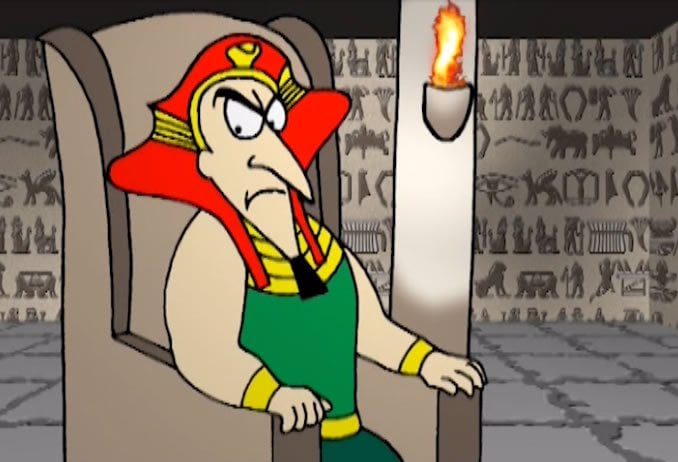
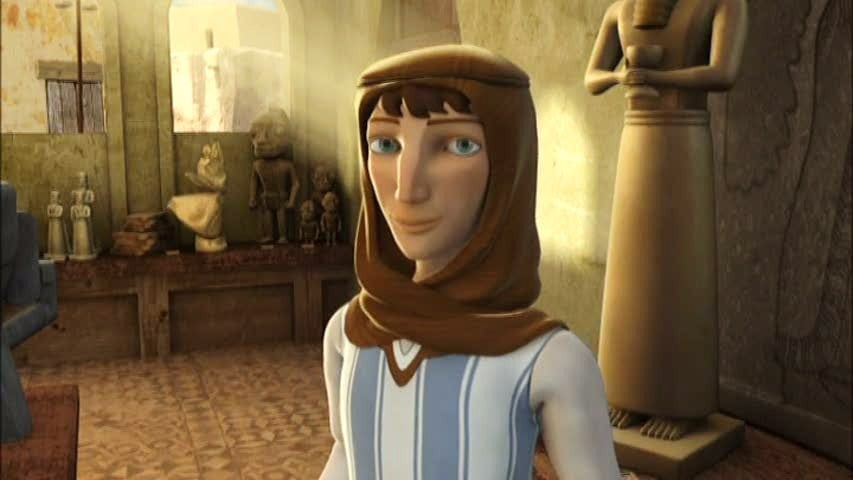
The famous story from the Midrash about how Abraham destroyed the idols in his father's shop. An excerpt from the full DVD “Young Abraham”.


A Failed Experiment?
With the Great Flood the Almighty returned the world to its original state when "the spirit of God hovered above the waters". In analyzing a fascinating passage from the Midrash (Bereishis Rabbah 5:1) that speaks of 'mute inhabitants' and 'intellectual inhabitants', this class addresses one of life's big questions and offers a surprisingly refreshing answer. (Based on the Maamor Bereishis Boro 5727)

Parsha Noach
This commandment was addressed to both Adam and again to Noah and his offspring. More than just a repetition of a previous obligation, G-d reveals to Noah the extraordinary virtue of bearing many children. An analysis of Maimonides' treatment of the obligation to populate the world. (Likutei Sichos vol. 30)


Opening with fascinating messaging and deeper symbolism, this colourful rumination on the heavenly arc, moves on to address fundamental questions, like how a natural phenomenon is construed as paranormal. A vibrant spectrum of diverse opinions and teachings why the rainbow can serve as G-d’s eternal symbol are presented, clarifying how it confirmed G-d’s covenant with humanity and opening a broader prism of understanding about the proverbial flood’s purpose and ultimate impact.


Imagine yourself witnessing the moral decay of the world around you. Do you try to save the world against all odds, or do you save yourself? Who was Noah? Was he simply a decent man relative to the corrupt society in which he lived or a great man in his own right? Why was it necessary to wipe out everything, and why would a merciful G-d destroy the world He created? And why with a flood when He could have just made it all disappear? The answers will lead us to discover what makes a healthy civilization tick, and how to use that wisdom to uplift ourselves and humanity as a whole.


Our lives are full of problems and challenges. How do we respond? We can point out the problem, better yet, offer a solution; or be one of those rare people who takes responsibility and works the solution. Gain insight and motivation into becoming a solver, learning why we already have the ability inside us.


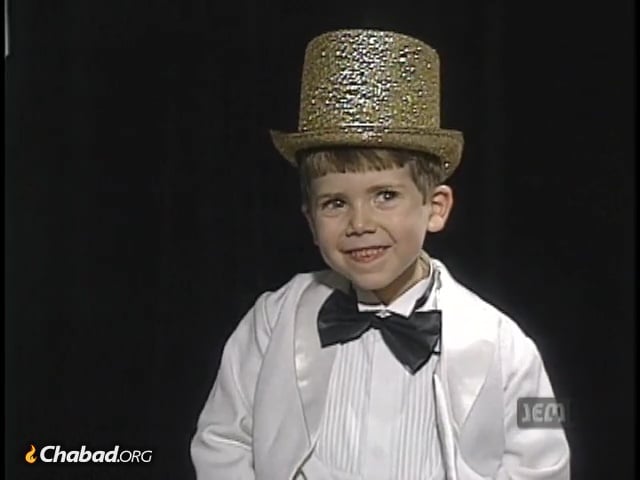


Children’s Rally, 25 Kislev, 5741 • December 3, 1980
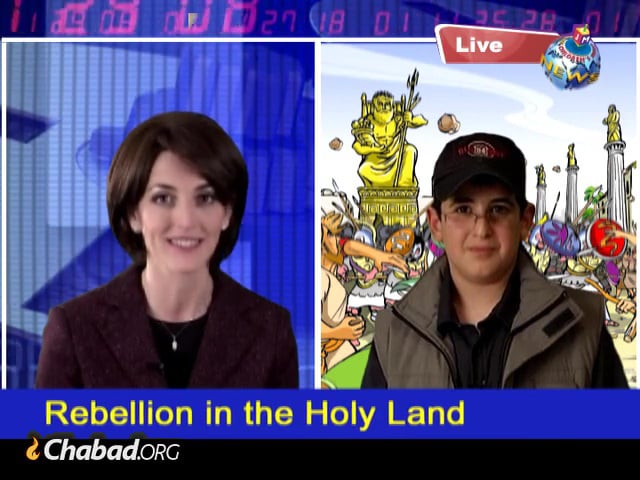
The Chanukah battle and victory were immortalized by the Sages. The candles evoke the memory of the small group of Jews who fought those who had opposed the Torah.
Today, we each battle our own evil inclination as well. Our victories, as well, will be eternally remembered.
Our current mission and battle is for the coming of Moshiach, as we request three times a day during prayer. Although we only request his coming three times a day, we yearn for him “all day”!


7th Night of Chanukah, 5748 · December 21, 1987
When a Jew celebrates Chanukah, he may be confronted: “You Jews are so few compared to
the nations of the world. Yet you hold fast to your customs and commandments, ignoring what
the billions of non-Jews around you think and do… Wherein lies your strength to stand in the
face of such odds?”

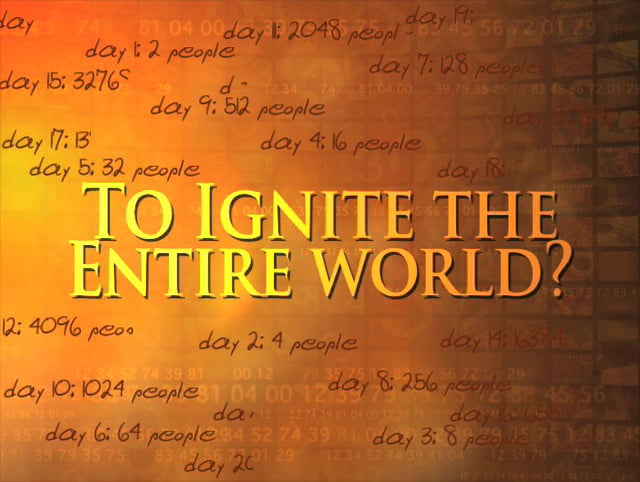
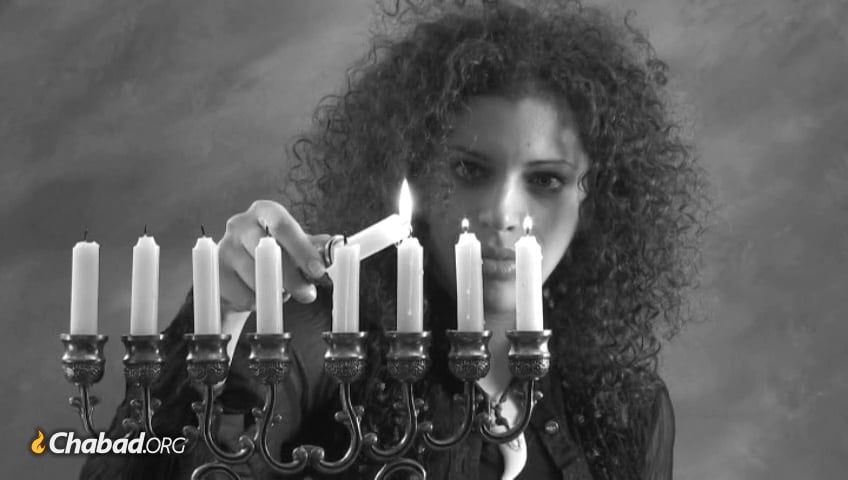


Chanukah reminds every Jew that it is G-d’s eternal mandate to carry the torch of His
“Mitzvah-candle and Torah-light.” With most Mitzvos, the “candle” and “light” are not
physically visible. But with the Chanukah candles we see how fulfilling the Mitzvah creates
actual physical light that illuminates all one’s surroundings.


Two Versions of the Timeline of the Maccabee's Victory
Among the early Talmudic commentaries, there are two opinions about the chronology of events commemorated on Chanukah. One says that the war was won on the 24th of Kislev and that the first day of Chanukah, the 25th of Kislev, is the anniversary of the first day of peace. The other says that on one day, the 25th of Kislev, the Maccabees both won the war and rededicated the Temple.


Get the Chabad.org Video app